Bret Kerr // Video production
I built an in-house video studio from scratch and ran it for ten years.
Mimecast, 2015 to 2025. A makeshift room in Watertown became a modular 4K news set in Lexington. I owned every production from concept and script to shoot, edit, review and delivery. Then I added AI as a force multiplier, using Claude and GPT to build systems and skills that create content faster and smarter.
- MimecastCreative AI Automation Developer & Video Production DirectorA decade, NASDAQ IPO through the Permira take-private
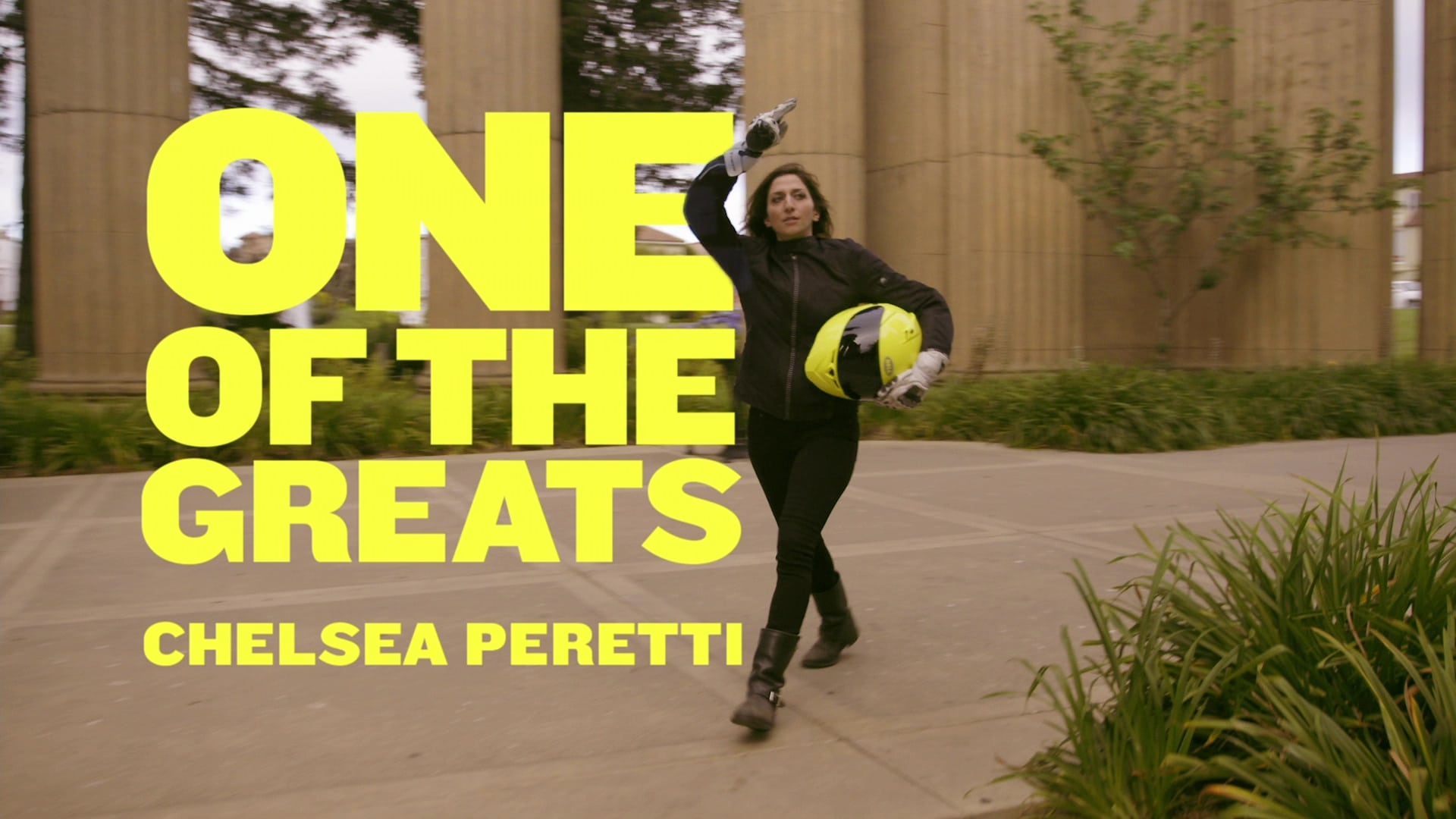
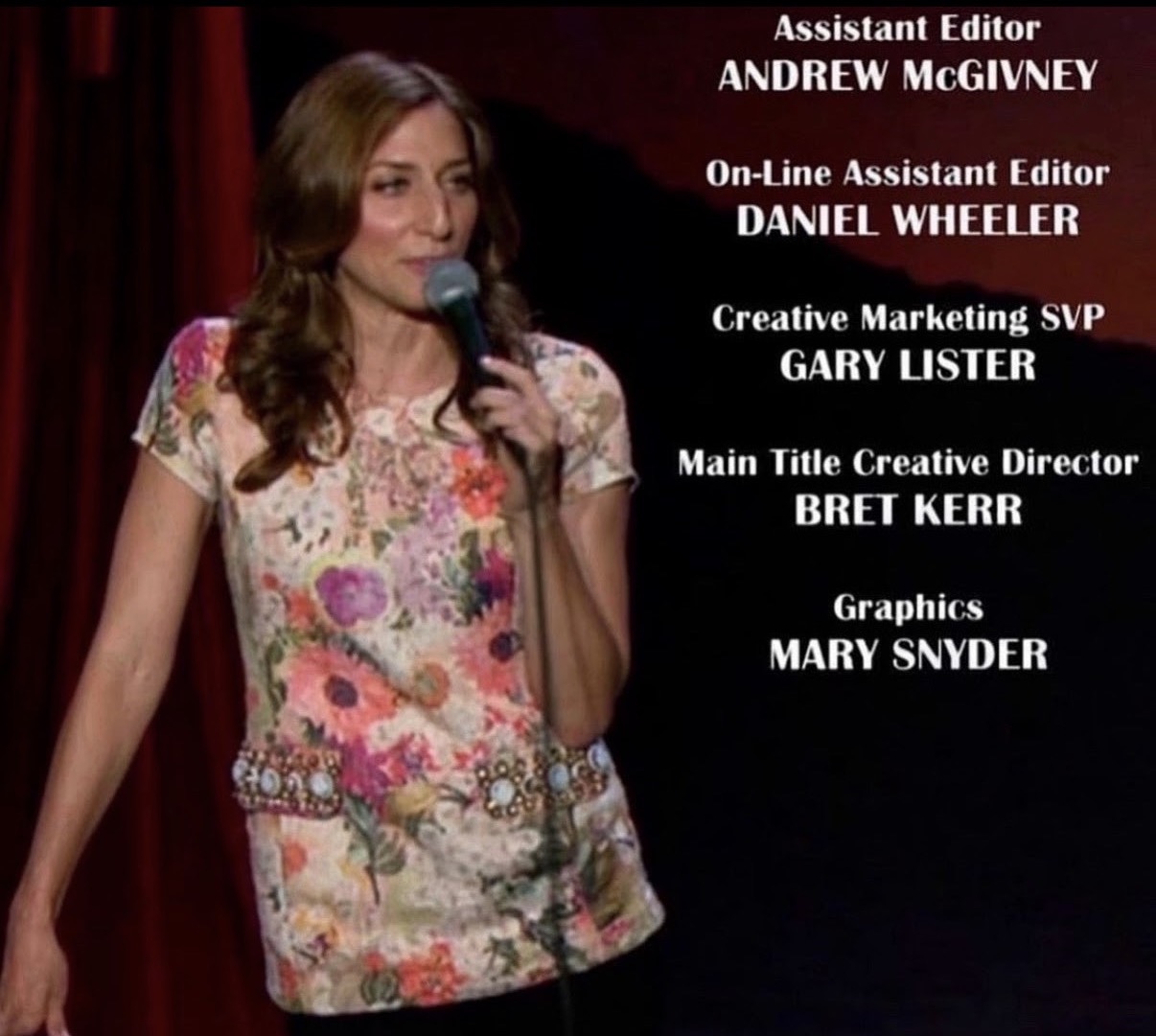
- NetflixMain Title Creative DirectorChelsea Peretti: One of the Greats (2014)
- Red Hat · IBMHackathon wins, BostonBest in Show (June 2026) · Most Creative UI (Oct 2026)
Netflix · Chelsea Peretti: One of the Greats (2014)
The studio build.
■ Lexington studio build
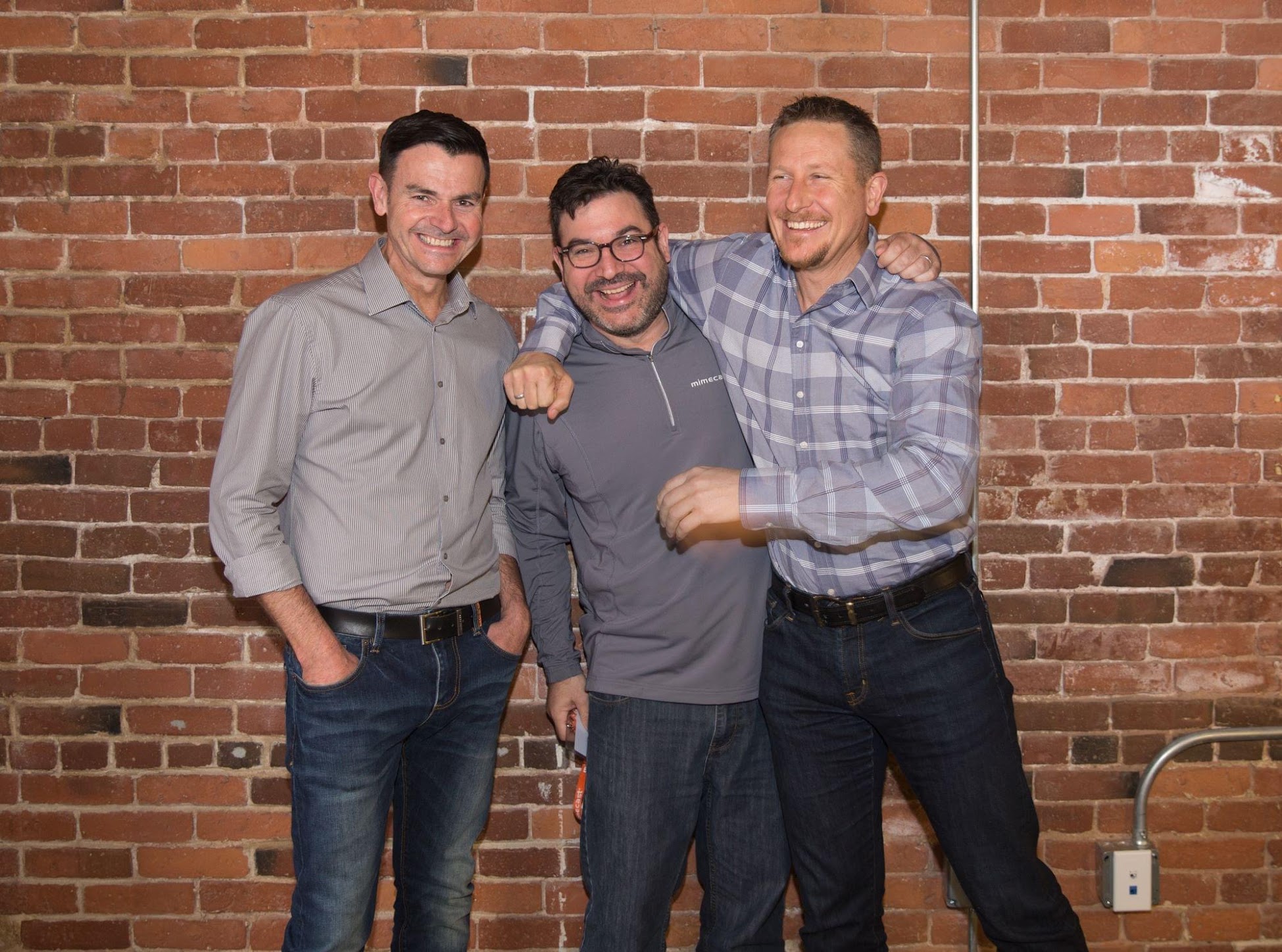 Before · 2016
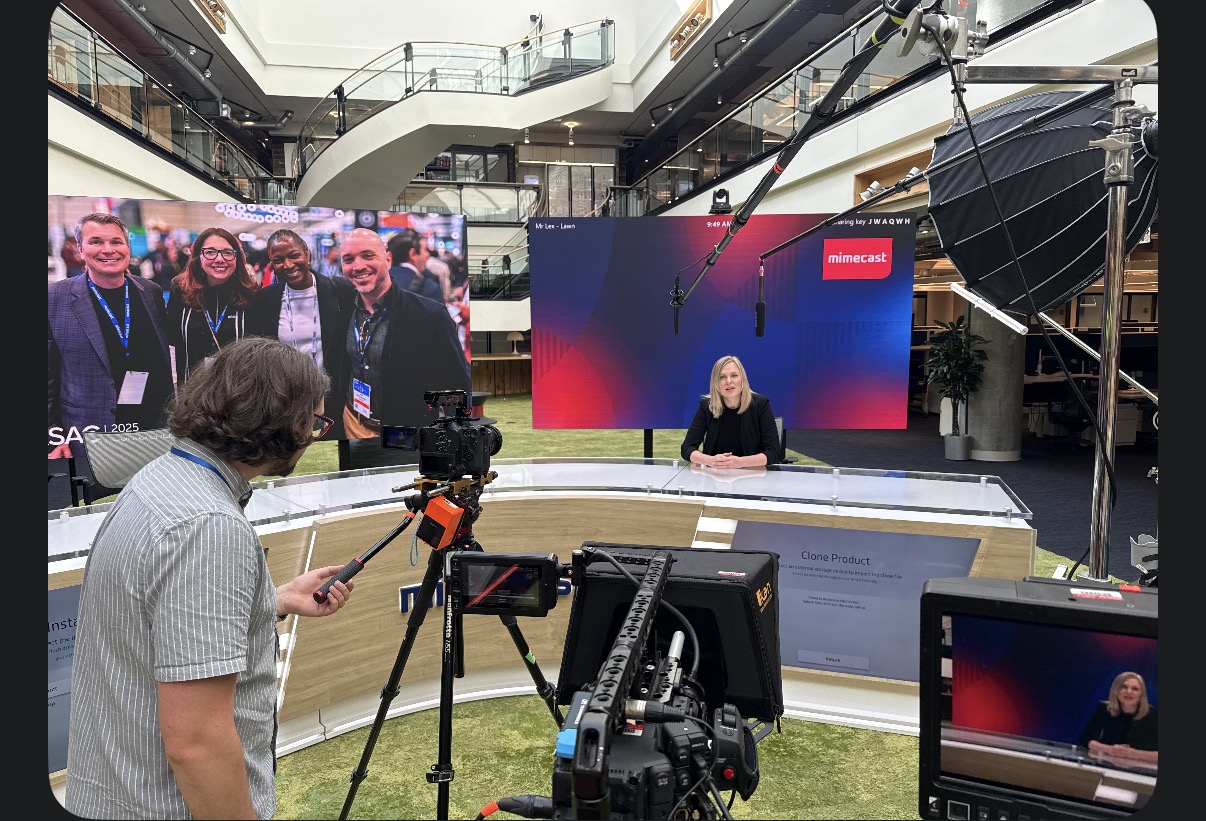 After
- Space
- Started with a makeshift prototype studio at Watertown HQ in 2016, then moved to a permanent build at Lexington HQ.
- Set
- A modular professional news set, designed in-house and built with Sacks Exhibits of Woburn.
- Camera
- Shot in 4K on a Canon C500 Mark II.
- Review and approvals
- Introduced Frame.io and Smartsheet for intake, versioning and approvals.
- Product Marketing
- Demand Generation
- Brand
- PR
- Customer Advocacy
- Sales
I worked with these teams daily, and was the direct creative partner to founder and CEO Peter Bauer through the public-company years and the Permira take-private.
- 01Intake
Request and brief
Frame.io + Smartsheet
- 02Scope
Scope and budget
- 03Script
Concept and scripting
- 04Shoot
Studio or field
- 05Edit
Post-production
- 06Review
Versions and approvals
Frame.io + Smartsheet
- 07Deliver
Final files to the team
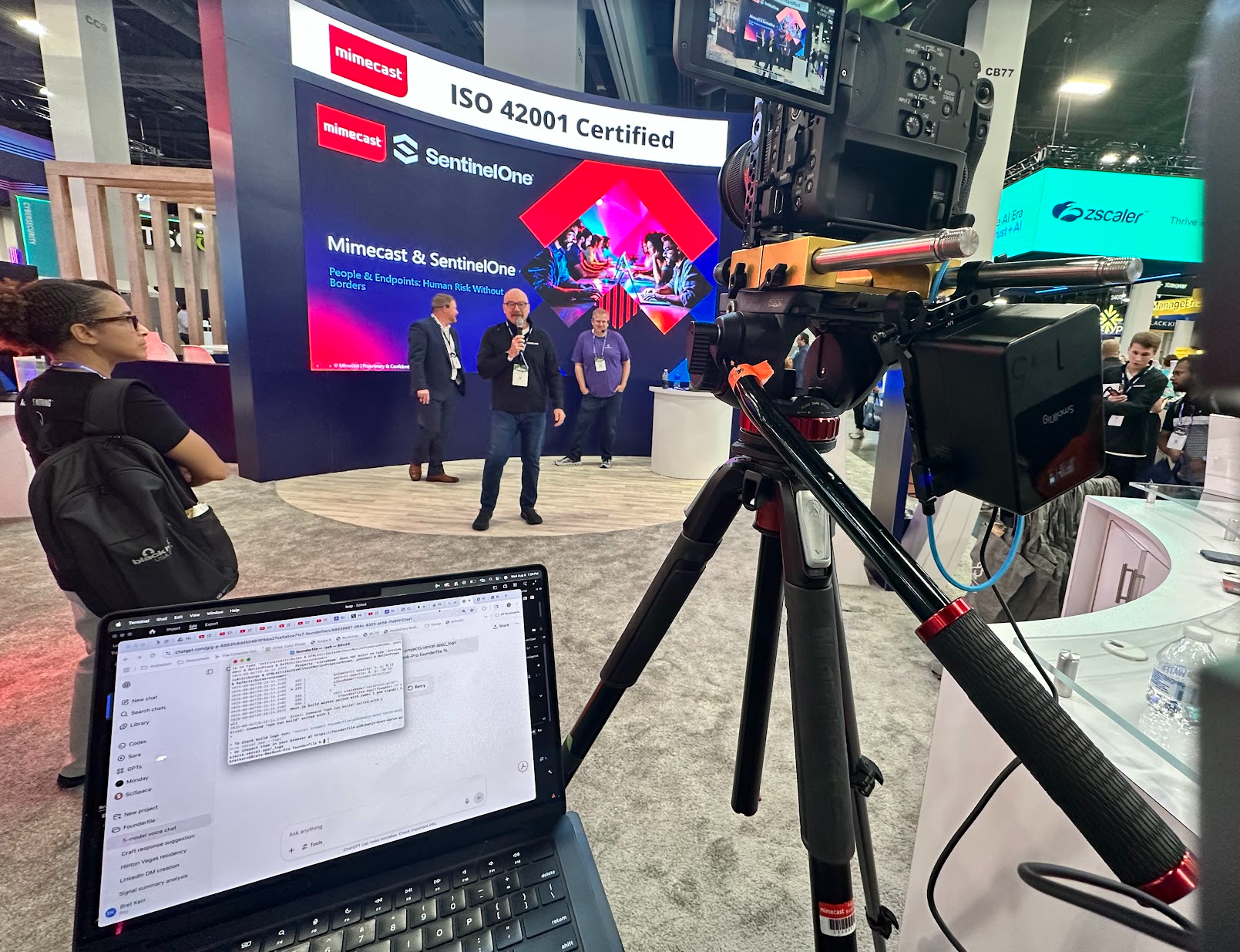
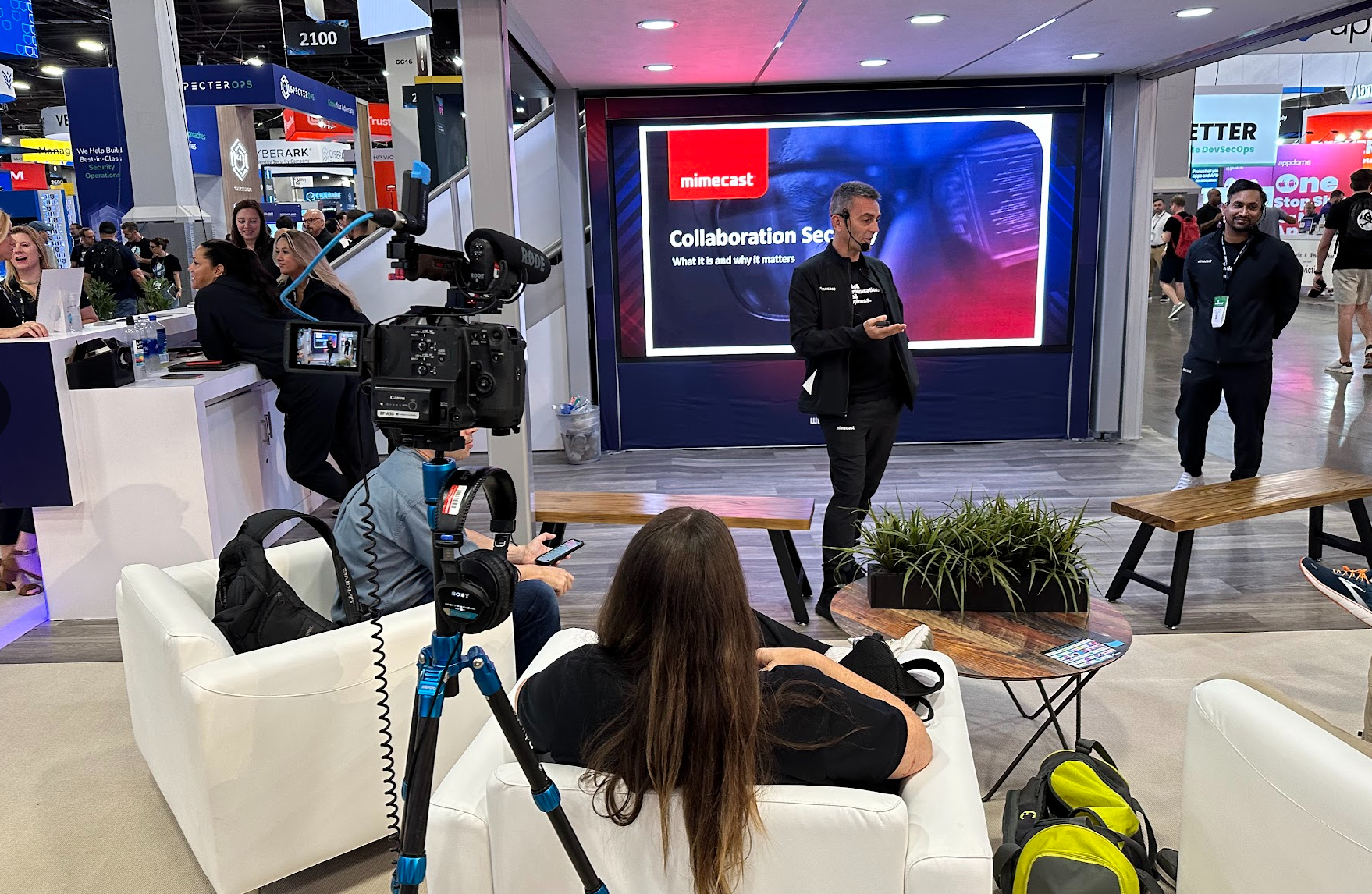
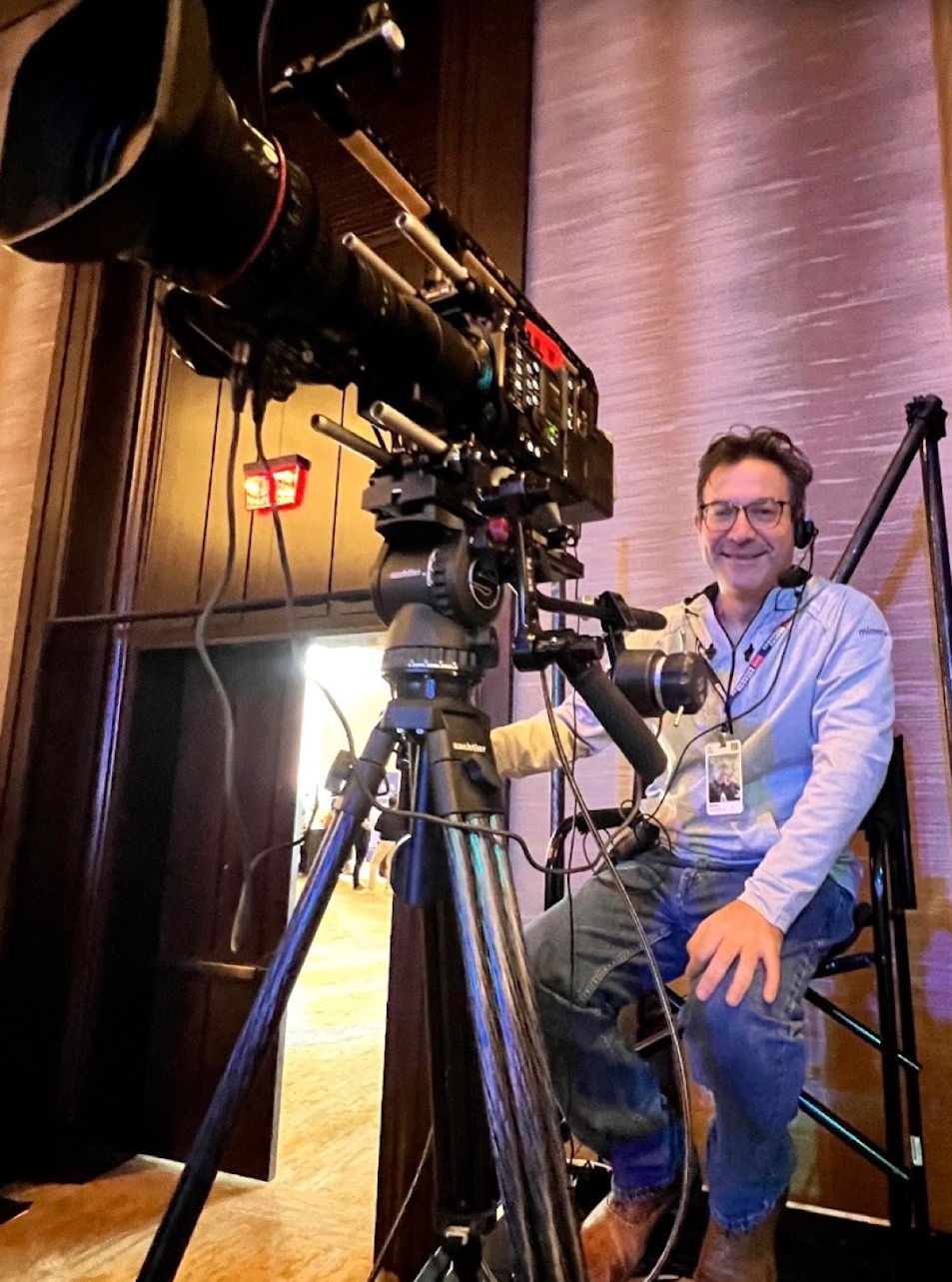
Behind the scenes · Mimecast
Mimecast shoots
How productions ran.
- Ownership
- Concept, scripting, studio and field production, post, review and delivery. Scoped and budgeted productions, and selected and managed agencies, vendors, freelance editors and crews.
- Freelancers
- Directed and reviewed one to two freelance contractors on a routine basis.
- Agencies
- Point of contact for larger outside agencies on editing and live production.
- Big shows
- Worked with audio production, executive-messaging and event consultants on shows like sales kickoffs.
- Build-outs
- Built the first studio in 2016; designed the Lexington set and had it built with Sacks Exhibits of Woburn.
Mimecast on Harmon Corner
Mimecast’s Black Hat ad running on the Harmon Corner screen on the Las Vegas Strip. The LED display wraps the corner of the three-story retail building, about 60 feet high and 306 feet wide, and was billed as the world’s largest of its kind when it switched on in August 2012.
Selected work, by purpose.
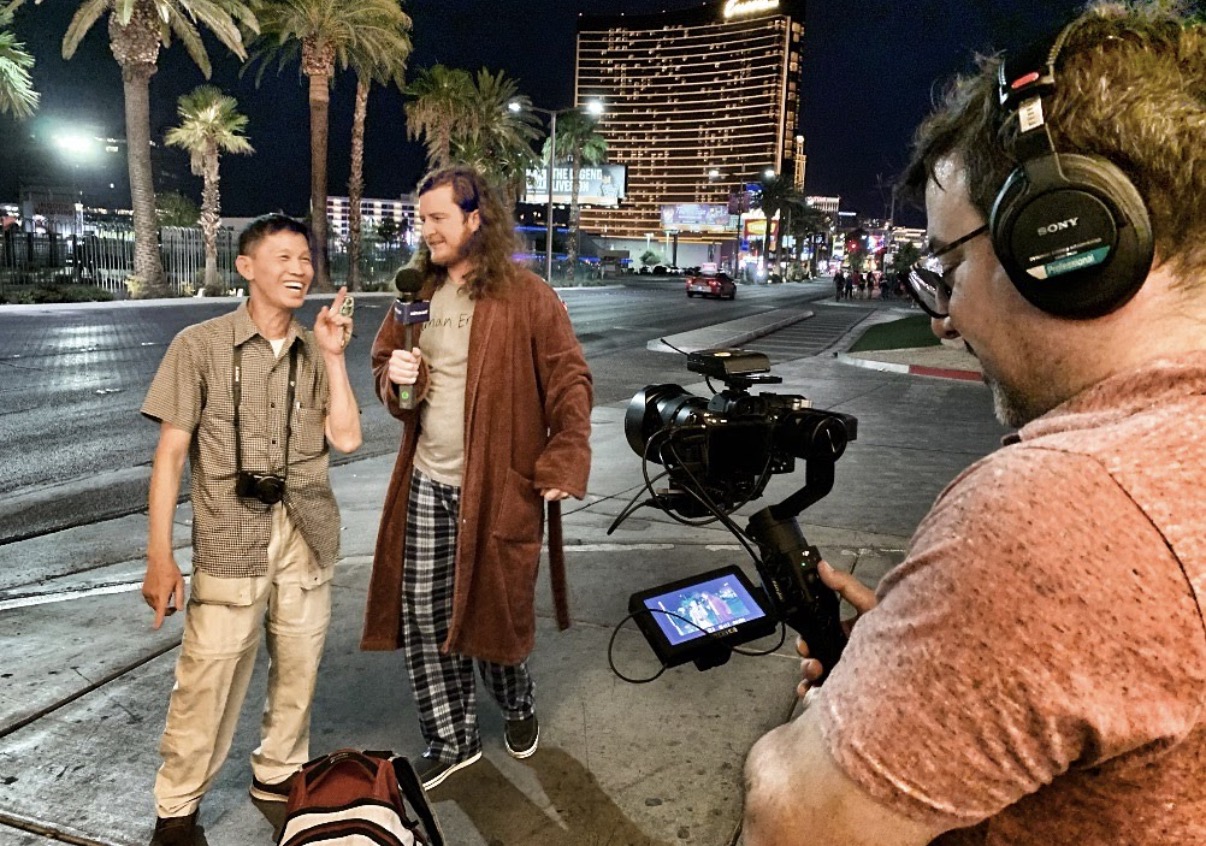
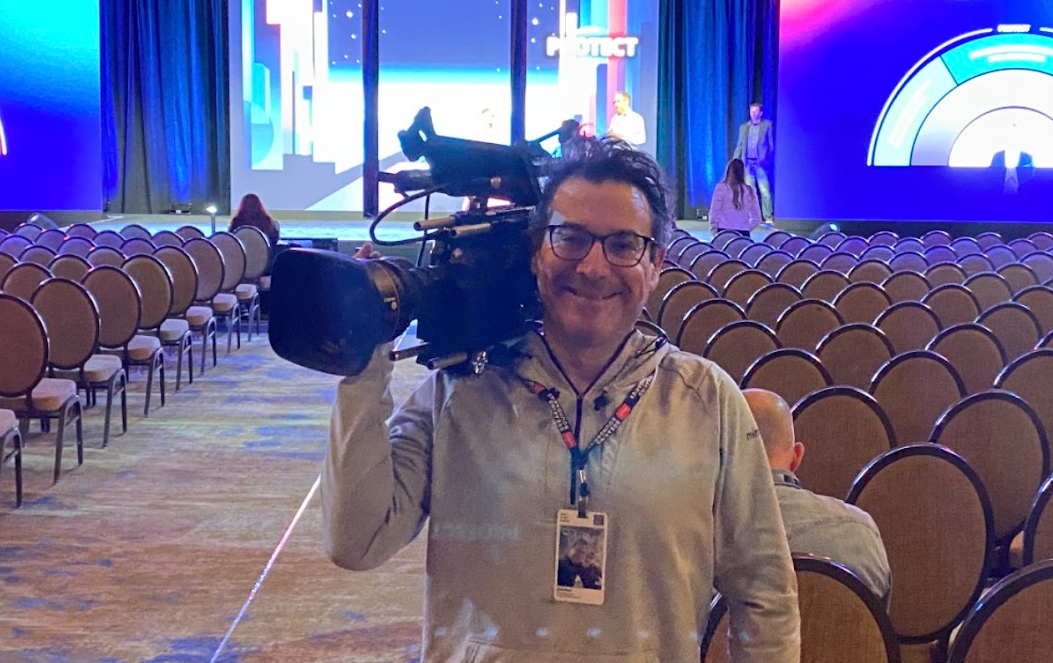
■ Black Hat field shoot
Product demos
Made for · Product Marketing and Sales
Short, scripted walkthroughs cut for sales and the website.
People and customer stories
Made for · Customer Advocacy, Brand and recruiting
Customer interviews on camera, and employee stories shot in London for recruiting.
Events
Made for · Partners and conference audiences
Full conference sessions and field shoots, Black Hat included.
Executive communications
Made for · The founder and CEO, and the leadership team
Direct creative partner to founder and CEO Peter Bauer through the public-company years and the Permira take-private. Leadership messaging and big internal shows like sales kickoffs. Internal work, so it is not shown here.
Education and explainers
Made for · Self-initiated
Dense research turned into short films, most of them 90 seconds to 3 minutes. The full library plays here: explainers, trailers and promos, widescreen and vertical.
▶ Three films with chaptersFew-Shot Learners
Experts on camera.
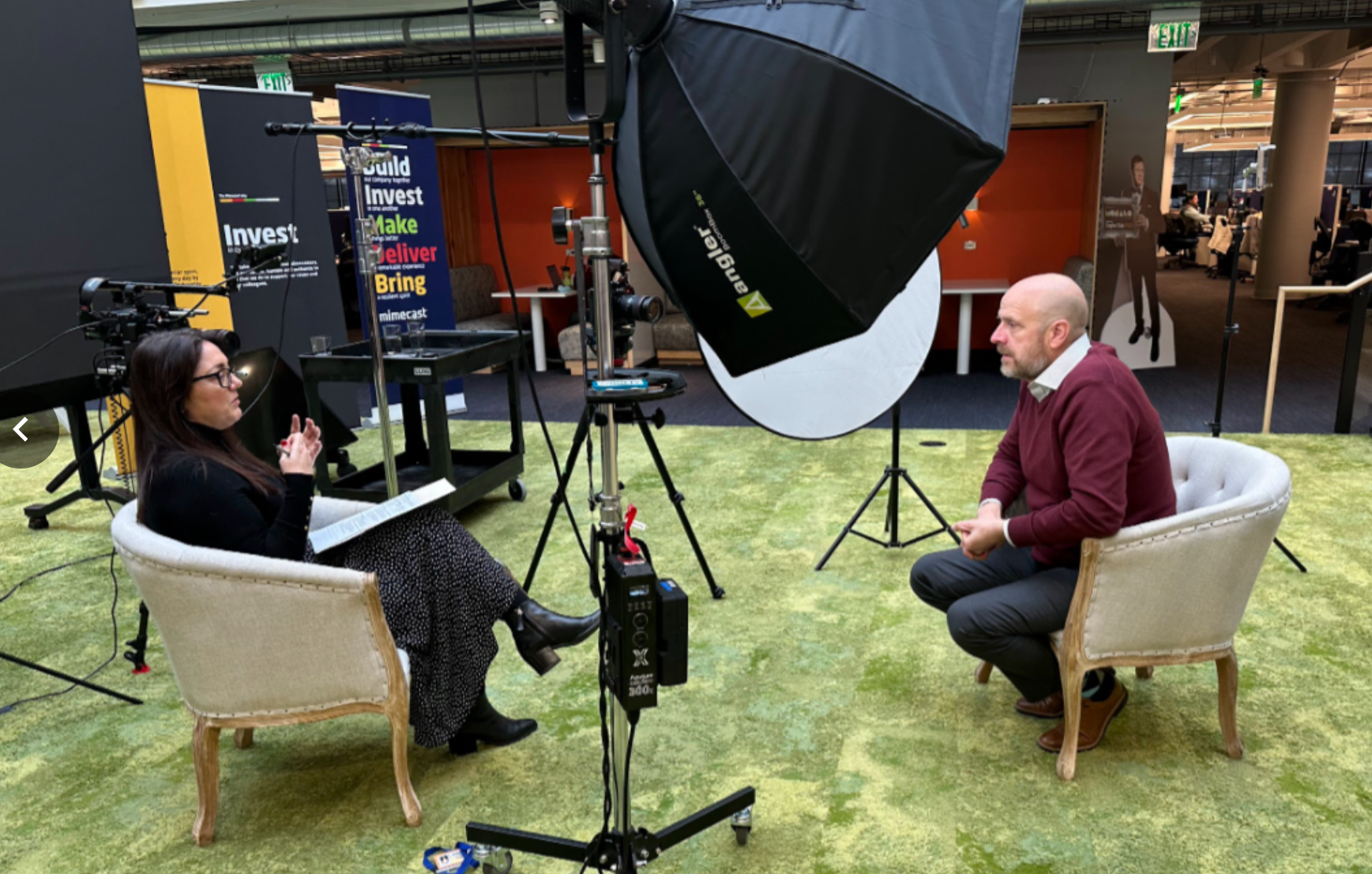
Over ten years at Mimecast I interviewed executives, researchers, partners and customers on camera.
I was the direct creative partner to the founder and CEO, and worked daily with Product Marketing, Demand Generation, Brand, PR, Customer Advocacy and Sales.
The creative tech stack.
■ Frame from The Universe on the Label
- Moves · ReuseRepurposing workflow
Transcript- and GPT-assisted: webinars and customer interviews become clips, quotes and campaign assets, packaged in Seismic for sales.
- Moves · Turnaround · CostExplainer films, rendered from a script
Nothing is filmed and no stock is used. Every frame, word and note comes out of a script, so a rewrite re-renders the whole film.
- Moves · Turnaround · VolumeMultimedia websites, self-built
I build and ship contextjamming.com myself. On October 31, 2026, I took a brief to a shipped, reviewed, live product in about four hours.
Education at speed · three explainer videos made with Claude
Dense papers turned into short films: two on the physics of holography, one on how Anthropic trains Claude to be harmless. Made with Claude.
The Universe on the Label
One of the strangest claims in modern physics: everything happening inside a space can be described, completely, by a theory that lives on its edge. Two minutes on Maldacena’s 1997 conjecture, the dictionary that translates between bulk and boundary, and why space itself may be woven from quantum information.
- Bulk and boundary drawn as glowing wireframe geometry: a hyperbolic slice, a stacked spacetime cylinder, a black hole at the center and the shortest surface that measures entanglement.
- An on-screen chapter rail and HUD labels track the argument, with captions burned in for sound-off viewing.
- 01Script
Narration written as data and sourced to the paper, line by line.
- 02Voice
Kokoro-82M runs locally and returns word-level timestamps.
- 03Picture
Every frame drawn in PIL + numpy, with each cue locked to a spoken word.
- 04Score
Original music and sound design synthesized in Python. No stock tracks.
- 05Finish
ffmpeg mux, loudness pass, and burned-in captions.
Claude-made explainer videos · questions
- Can Claude make an explainer video?
- Yes. The three films on this page were made with Claude (Claude Opus 5.5 and Claude Fable 5.2). Nothing is filmed and no stock footage is used: every frame, word and note is generated from a script, so a rewrite re-renders the whole film.
- How is a Claude-made explainer video produced?
- Five steps. The narration is written as data and sourced to the paper line by line. Kokoro-82M voices it locally and returns word-level timestamps. Every frame is drawn in code, with each animation cue locked to a spoken word. Original music and sound design are synthesized in Python. ffmpeg muxes the picture and sound, runs a loudness pass and burns in captions.
- What topics do the explainer videos cover?
- Dense research, turned into short films: two on AdS/CFT and the holographic principle (Maldacena’s 1997 conjecture), one on Anthropic’s 2022 Constitutional AI paper, and a library of 33 more explainers, trailers and promos, mostly on AI research and the people behind it. Each of the three films lists the papers it draws on.
- How long are the explainer videos?
- Most run 90 seconds to 3 minutes. They come in widescreen 16:9 and vertical 9:16, and several carry burned-in captions for sound-off viewing in social feeds.
- Who makes these videos?
- Bret Kerr, a video producer who built Mimecast’s in-house video studio and ran it for ten years, from concept and script to shoot, edit, review and delivery. He now makes explainer films with Claude and is available full-time or fractional.
This page was designed, built and shipped by Bret Kerr with Claude Code.
A station takeover, cut for the feed.
The South Station Takeover
Blitzy wrapped Boston’s South Station in purple: the entrance, the concourse banners, the escalators, the walls and the stair risers. This is a 30-second slideshow of the activation, built so someone who never walked through the station still gets the full campaign.
- Sequenced the way a commuter meets the campaign, from the street entrance to the stairs.
- A numbered lower third names each placement, so the piece still reads with the sound off.
Self-initiated edit · not commissioned by Blitzy
More films from the same pipeline.
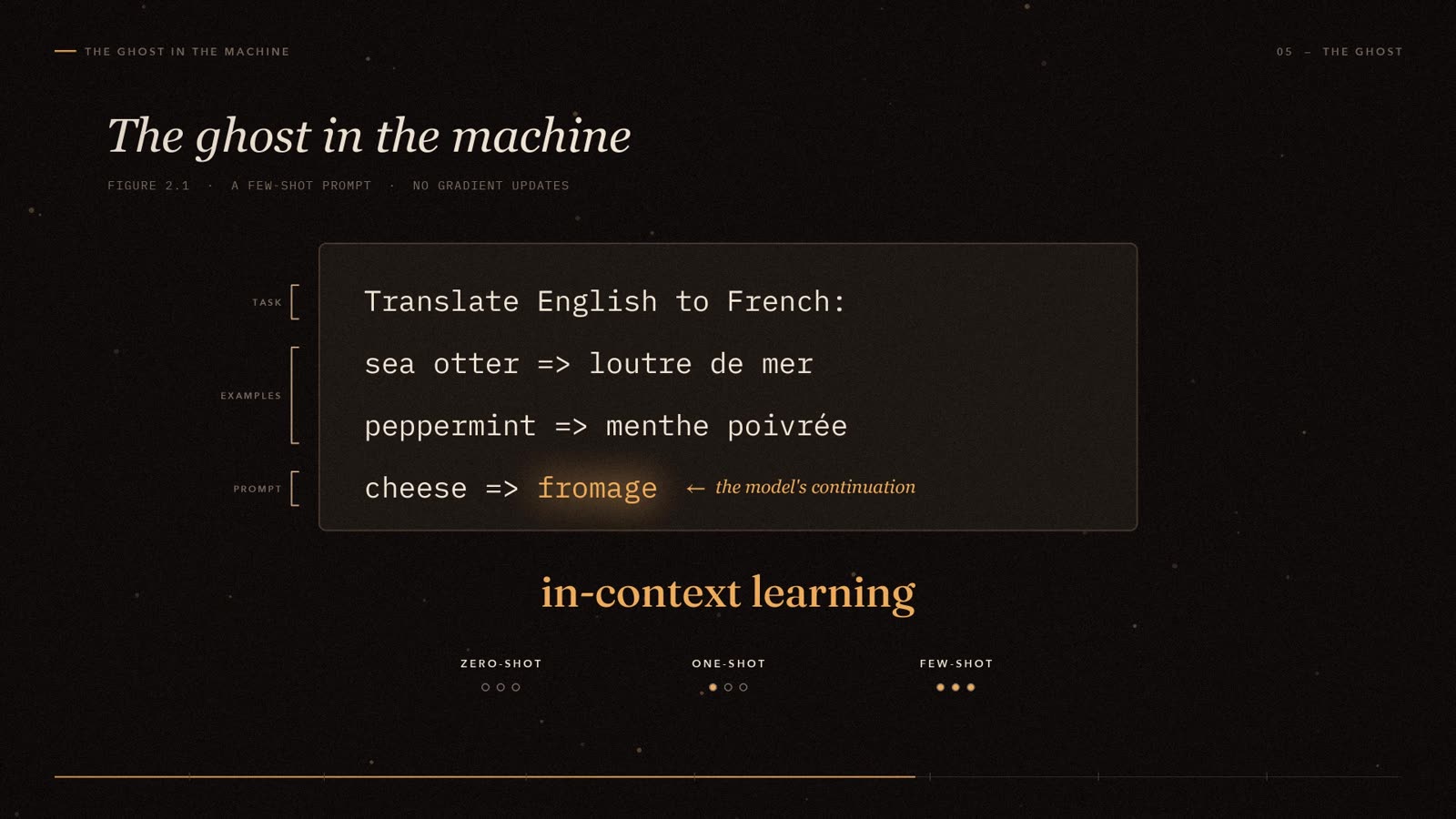 1:30Coded explainer · GPT-3Why This Paper Mattered
The briefing film at the top of the GPT-3 oral history, rendered frame by frame in Python with an original score.
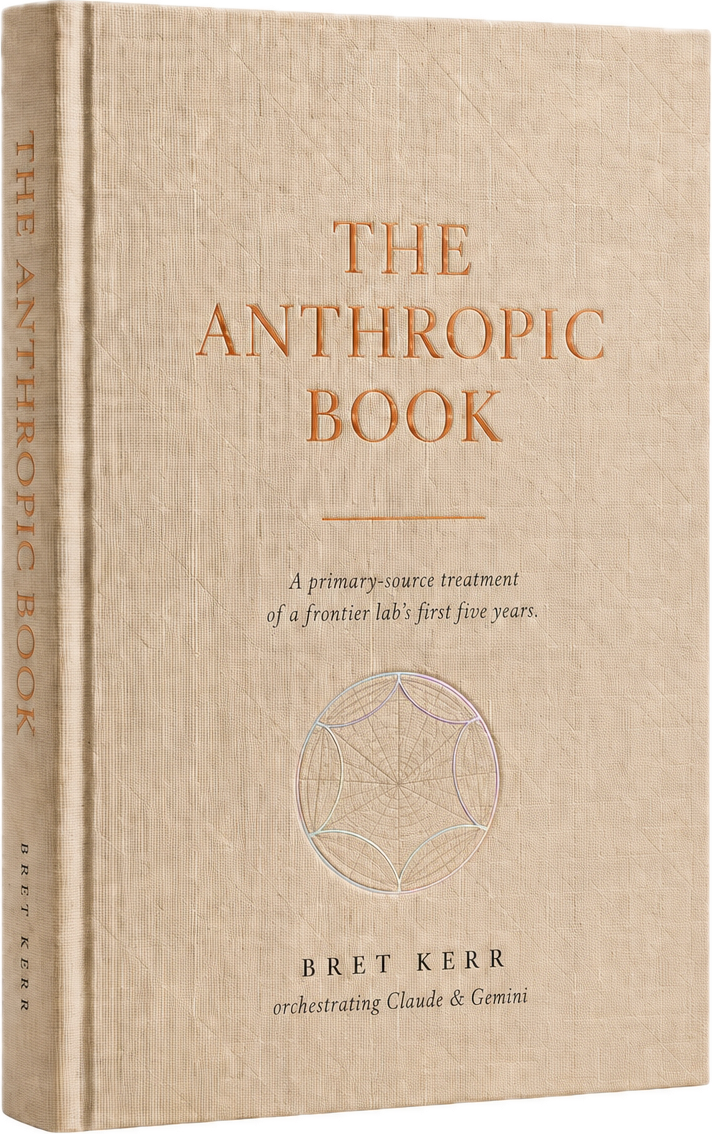 Generated spotThe Gemini Omni ad
A short film for The Anthropic Book, generated in the book’s own agentic production experiments.
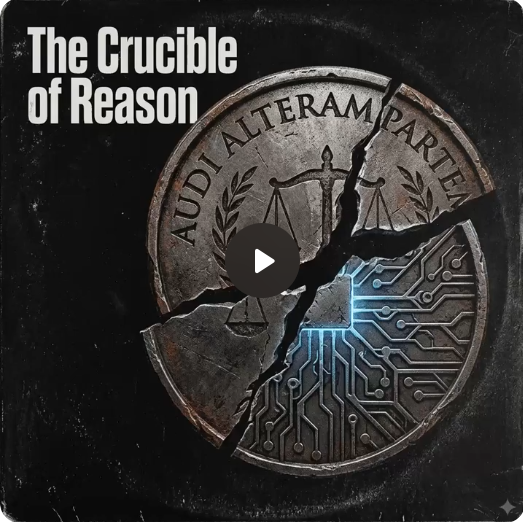 Music · visualizerThe Crucible of Reason
An audio visualizer for an anthem composed with Gemini Lyria.
Building a studio, or running one?
Let’s talk about the brief.
Full-time or fractional. Remote, hybrid in Boston and Cambridge, or on-site along Route 128 and 495.